Skip to content
  • About
  • Itinerary
  • USPs
  • Inclusions / Exclusions
  • FAQs
  • Reviews

3D/2N

Mata Vaishno Devi Yatra

OFFER -
Flight Drive Hotels Culinary
Per adult ₹ 25,000.00

Introduction

Spiritually fulfilling yatra experience

Overview

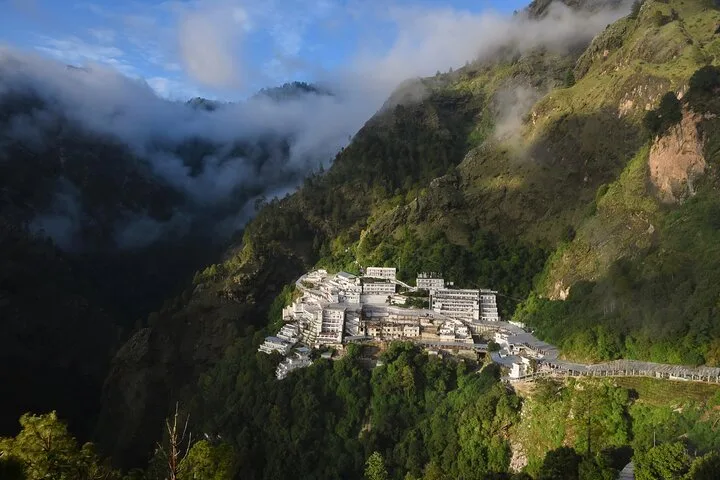
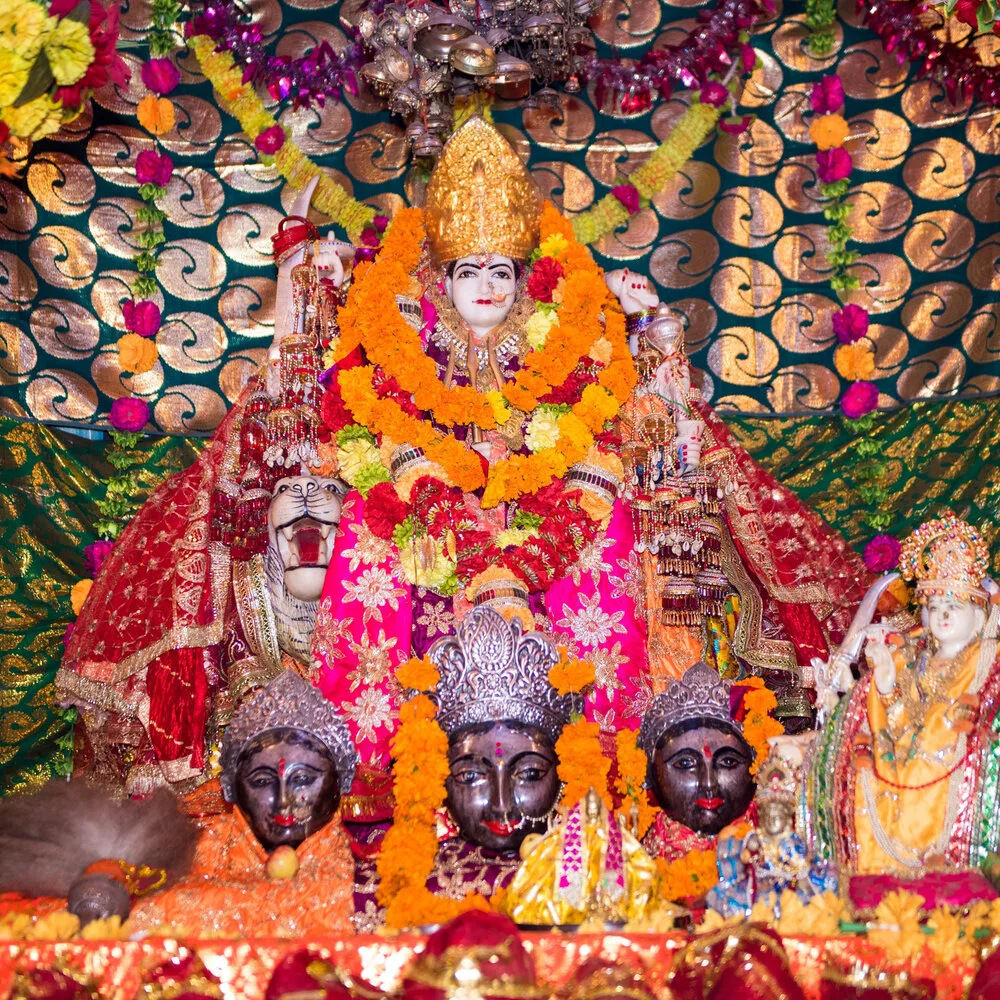
The Mata Vaishno Devi pilgrimage takes devotees to the revered shrine nestled in the sacred Trikuta Hills near Katra. We design our itinerary to give pilgrims ample time to complete the yatra comfortably and prayerfully, whether they choose to travel on foot, by pony, palki, or helicopter. Highlights of the Pilgrimage - Sacred Cave Temple: Visit the Mata Vaishno Devi Shrine, where devotees worship the goddess in the form of three pindi. - Yatra Options: Choose from various options, including on-foot, pony, palki, or helicopter, to suit your comfort and ability. - Bhairon Baba Temple: Pay your respects at this revered shrine, dedicated to the devotee-turned-guardian of Mata Vaishno Devi. - Trikuta Hills: Take in the stunning views of the surrounding mountains and valleys. Benefits of the Pilgrimage - Spiritual Growth: This journey offers a unique opportunity for self-reflection and spiritual growth as you immerse yourself in the divine energy of the hills. - Comfortable Travel: We ensure comfortable travel arrangements, including transportation, accommodation, and yatra options, so you can focus on your spiritual journey. - Community Experience: Join a group of like-minded devotees and experience the camaraderie and support that comes with traveling with others.

Itinerary

icon

Day 1

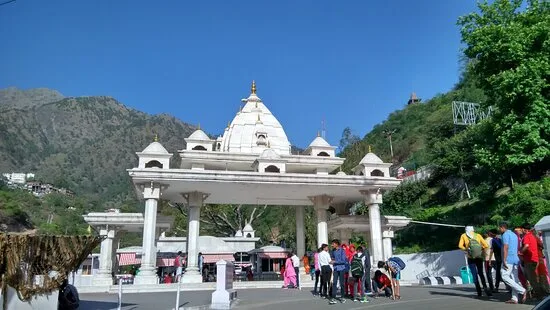
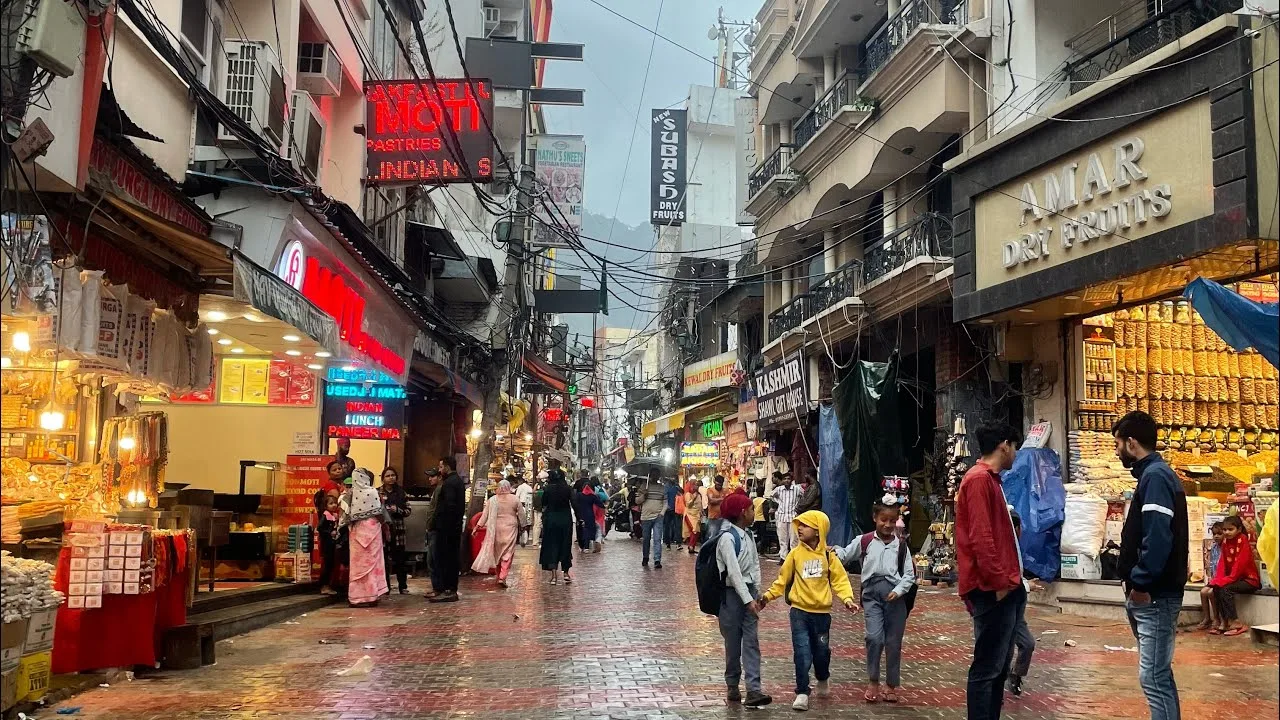
On arrival at Jammu Airport or Railway Station, you will be greeted and driven to Katra, the base town for the Vaishno Devi Yatra. After checking in at your hotel, the rest of the day is free to relax and prepare for the pilgrimage. You may take a gentle walk through the local market or spend time in evening prayers and quiet reflection before your overnight stay.
Day 1
icon

Day 2

Early in the morning, you begin the trek from Katra to the holy Bhawan. The 12-kilometre pathway is well-lit and devotional chants fill the air, creating a deeply spiritual atmosphere. Pilgrims may complete the journey by walking or by pony, palki or helicopter at their own cost. On reaching the shrine, you will offer prayers to Mata Vaishno Devi and spend time in peaceful devotion before returning to Katra. The day is usually long but fulfilling, and you will rest overnight at your hotel.
Day 2
icon

Day 3

After breakfast, you check out from the hotel and drive back to Jammu. Depending on your schedule, there may be time for local sightseeing or shopping before you are dropped at the airport or railway station for your onward journey. Your yatra concludes with the blessings of the Divine Mother.
Day 3

USPs

• Spiritually fulfilling yatra experience
• Comfortable and supportive arrangements
• Suitable for families and senior citizens
• Flexible options to complete the trek

Inclusions Inclusions

• Accommodation in Katra
• Transfers between Jammu and Katra
• Local transport as per itinerary
• Tolls, parking and driver allowances

Exclusions Exclusions

• Helicopter, pony or palki charges
• Meals and beverages
• Travel insurance and personal expenses
• Temple offerings and pooja charges

Travel Tips

• Wear comfortable walking shoes
• Carry light woollens in cooler months
• Keep luggage minimal during the trek
• Consult a doctor if you have health concerns before the yatra

FAQs

A Vaishno Devi trip can cost from a budget of ₹4,000-₹7,000 per person for basic travel and stay, up to ₹20,000+ for luxury options, with packages often ranging from ₹9,000 to ₹30,000+ depending on travel mode (train/flight), duration, hotel class, and if helicopter/nearby tours (like Patnitop) are included. Key expenses are transport to Katra (Jammu), food (₹500-1000/day), and optional services like ponies, palanquins, or helicopters (₹1,800-3,500 one-way).

The best months to visit Vaishno Devi for pleasant weather are March to June (Spring/Summer) and September to November (Autumn), offering comfortable trekking and clear skies, with April and October often considered ideal for moderate crowds and festive vibes during Navratri. While open year-round, avoid monsoon (July-August) for heavy rain and slippery paths, and winter (Dec-Feb) if you prefer snow but expect challenging, cold conditions.